When I feel overwhelmed and overstimulated, I make an appointment with my therapist. I have access to some of the best doctors in the world. I know that in the end, I will be okay. This should be a way of life. A norm. An expectation that even in the darkest of times, there are people who will help you get better. But it’s not; it’s a privilege.
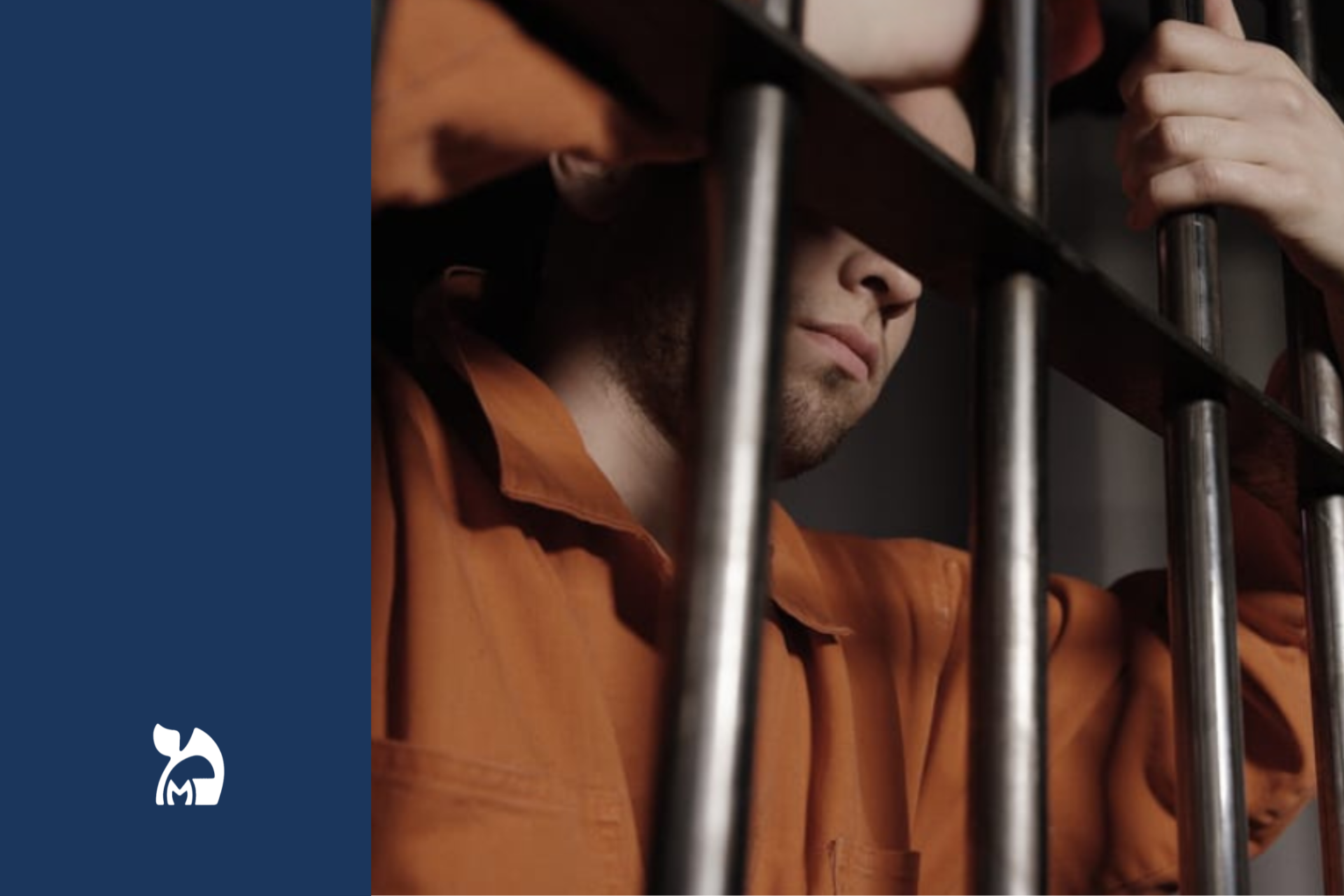
On Yom Kippur I traveled to Tallahassee, Florida, to spend the holiday in a federal prison. As I walked through the numerous gates, I stepped into a different world; one that is stuck in the times of slavery and forgotten to the rest of the country. I met inmates, heard their stories and learned that ultimately, we all have much more to repent for than we realize.
When someone commits a crime, society sees it as that person’s individual problem, and quite literally throws them away. Women in prison have little access to healthcare, nutritious food, education and, most importantly, rehabilitation and restoration. The term restorative justice is merely a dream, a term for what could be.
The more realistic terminology for prison’s treatment is slavery. They work for cents on the hour. Therapy gives them useless tools, like an iPod without headphones for listening to music. Inmates are not allowed to go into the community– to give back. The guards are not trained in mental health, and they live in units with no personal space.
This is not to excuse what these people did. There is a reason they are in prison and it’s usually valid. But does prison help these people to leave as more competent, prepared humans? No. Does prison account for the tremendous trauma that so many of these individuals carry with them every day? No. Does prison aim to address the systemic issues in this country that account for the preschool-to-prison pipeline? No. The stories these women told were devastating, but sadly not unique.
“I don’t believe in justice anymore,” one woman told me. “I struggle every day to get out of bed. There is simply no reason.”
If prison releases these people worse off than they came in, how do we expect them to lead full lives and not end up right back where they started?
During the service, we went around and discussed things we hoped to improve in the year ahead. Be stronger; connect more with my family; take a walk every day; be more ambitious; these were the answers. These are the same goals I have–but I have a realistic means to complete them.
As I left, I told these women they inspired me. If they had the strength to fight each day to survive, I know I can too. But that’s not enough, and until something changes, it never will be.
Being Jewish doesn’t have a uniform look. Everyone practices in different ways, lives different lives and grapples with religion differently. Yet what connects us is the communal draw that pulls everyone together in prayer. We need a community for Judaism to be practiced and to thrive as such a small population of this gigantic world.
This is why finding Judaism in prison wasn’t hard. The importance of community was just as strong in the compound and amongst the inmates as it is in a synagogue or a multi-purpose room on campus. All Jews–regardless of life experiences, disability status or practicing level–deserve to have a community.
Yom Kippur is about atonement and renewal. Yet this year, Yom Kippur found a new meaning–restoration. There is a significant lack of opportunity to repent in prison. Inmates cannot go out to help the community and psychological services are minimal.
This Yom Kippur we found repentance in our service. We sought together to sow seeds of lightness into our future.
Just as it is said in Tehillim: “Light is sown for the righteous, and gladness for the upright in heart.”
Even in our personal struggles, we have the power to choose joy and life. We do it for ourselves, for our loved ones and because life is the greatest gift we have.