Rating: ⭑⭑⭑⭑/5
If there was a love child born from “Faces” and “Swimming,” Mac Miller’s depressive fiasco and hopeful dream-state albums, “Balloonerism” is its name.
Released seven years after his tragic accidental drug overdose, Mac Miller’s second posthumous album is carnivalesque, mind-warping and immersive.
Recorded in between “Watching Movies with the Sound Off” and “Faces,” the album pulls from Miller’s most depressive era. But it isn’t a Mac Miller album without glimmers of hope, a spiritual framework and undeniably catchy guitar riffs from Thundercat.
Unlike other posthumous albums, sometimes sounding disjointed and incomplete, “Balloonerism” is a full set, starting and ending with entrancing, full-bodied tracks; almost as if walking on a cloud.
“DJ’s Chord Organ” reminds us of one of the tragedies from Miller’s death; the missed opportunity for him to collaborate with newer artists that perfectly suit his voice. SZA’s angelic vocals meshing perfectly with Mac’s familiar ones leave us longing for more; much like getting a glimpse of cake that we can’t eat. Had it not been for Miller’s death, he can be imagined next to Kendrick Lamar and Isaiah Rashad in the lineup of SZA duets that never miss.
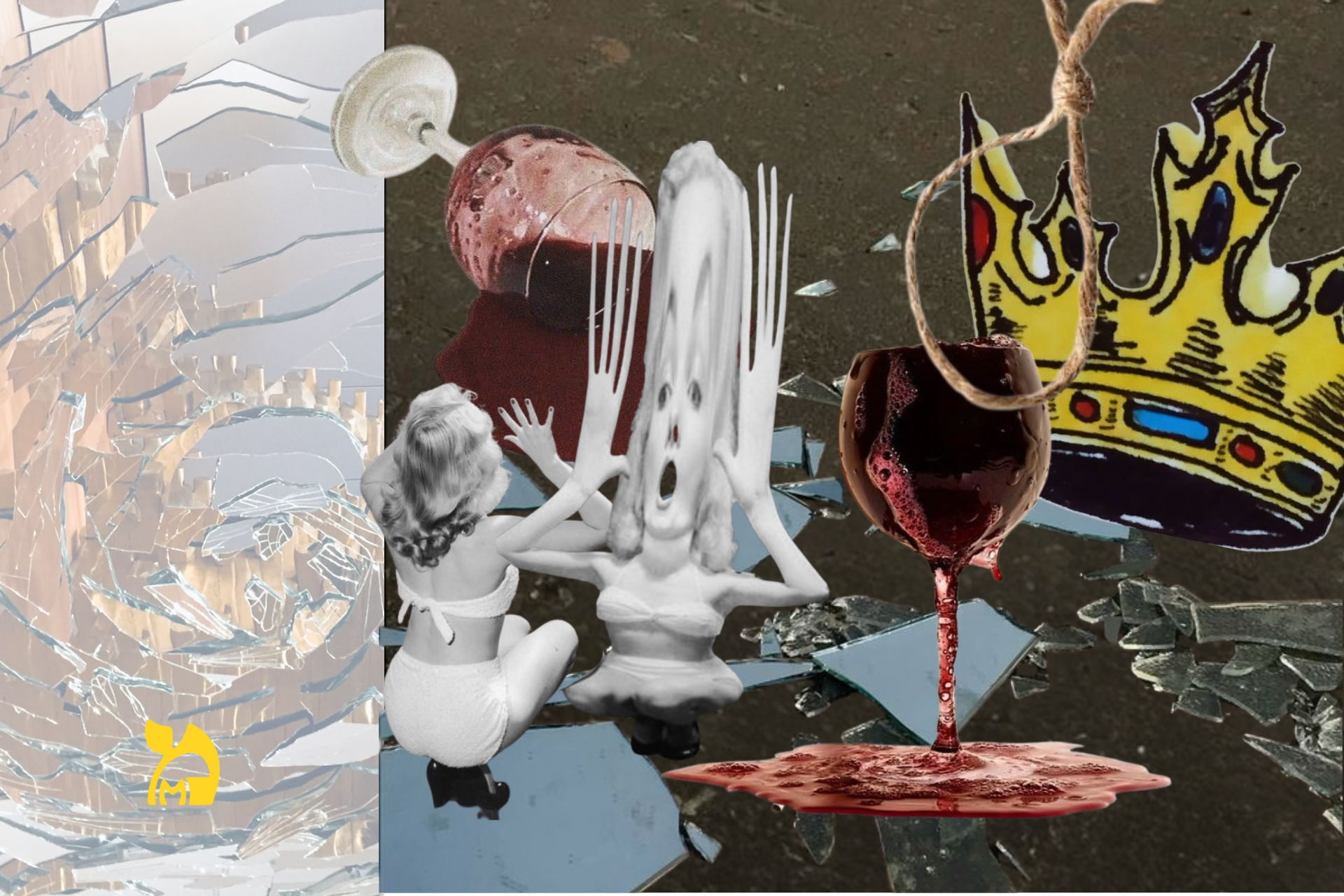
Similarly, “Friendly Hallucinations” is otherworldly and carnivalesque, entering us into the fun house-world that the album cover presents. The song gets inside the head of a hallucinating girl, and SZA’s harmonies on the chorus feel like we might be hearing from the girl herself.
While “Friendly Hallucinations” feels like walking through a fun house, “5 Dollar Pony Rides” sounds like we’ve entered a utopian, childlike world, reminiscent of the happy-go-lucky game Animal Crossing. It’s refreshing to hear Miller singing against an upbeat song, singing of his future. It’s a little bit of jazz, some soul, some reggae; a perfect melting pot, showing us the best of Miller in his multifaceted skill set. He proves himself as more than a rapper, but an artist who can create using different mediums.
This is only enhanced in “Shangri-La,” which is just as much rap as it is spoken-word poetry. He shares his uninhibited thoughts of death (“It’s the house of the rising sun, the village of unusual/If I’m dying young, promise you’ll smile at my funeral”); leaving you with a feeling you can’t shake, that Miller may just be predicting the future.
Miller referencing his own death isn’t a one-off event. Much like “Faces,” this album is eerie when listening to the lyrics seven years after his death. “Deborah Downer” sounds straight off of “Faces,” like it could be paired with “Friends (feat. Schoolboy Q)” off of the 2014 release.
This album can’t be discussed without mention of the track that could’ve been a single. The production alone on “Stoned” deserves a Grammy, not to mention the enticing lighter flick and Miller’s luring voice. The sultry electric guitar is only upstaged by the knock knock knocks, leading into the hallucinational chorus, which floats and weaves listeners through the guitar strums into a place of gloomy paradise.
The raw pain of Miller’s music is somehow simultaneously awe-inspiring and depressing. His ability to be open and honest about foreseeing his death is haunting, yet provides some emotional release when realizing that he was prepared to continue releasing music, even if he were to die young.
And yet this album feels like Miller had full input on it; anyone unaware of his death would be doubtful that Miller didn’t hand-pick and compile this album himself.
This album captures the full breadth of Miller’s emotional capacity: fantastical, imaginative, haunted, hallucinative, nostalgic, spiritual. And his estate was left with enough material to create a full-bodied piece of art, perfectly in Miller’s style.