Every action carries impact. Every word spoken holds weight. The choices you make not only shape your own life but also the lives of those around you. Moral responsibility is not optional; it is the foundation upon which society functions.
This past week’s Parsha aligns well with this notion, addressing countless moral necessities, such as how individuals must treat one another, our roles in society, the laws that govern our actions, and the repercussions that follow when we do not. When people do not conduct themselves properly and fail to look out for one another, we fall into chaos. When social responsibility is lacking, the need for change emerges. Society only succeeds when people take responsibility for one another.
Whether it be the Tower of Babel that split the people, the twelve brothers’ journey to Egypt and reconciliation with their brother, or the nations’ traverse to the land of Israel, the Torah makes a lesson clear: life is long, and the paths we take may not always lead us where (or to whom) we expect.
If you look back at almost any big decision you’ve made, whether it be a gap year, college, or relationships, did they unfold exactly as you anticipated? Probably not. Sometimes for the absolute best, sometimes for the worse. However, what sticks with us is not necessarily the experience we had, but the relationships we developed along the way.
This raises a necessary evaluation: How does the community you find yourself a part of impact your life? And arguably more importantly, how are you impacting it?
People typically follow the crowd rather than commit themselves to authenticity. Labels are easy shortcuts. KEDMA or KEGMA? Are you JFK? Frum but relatable? Relatable but Frum? These labels may seem straightforward, but are actually convoluted titles. In the end, they serve solely as barriers.
Let’s drop the labels and return to what matters most: building strong communities. No matter where you stand or how you practice, what matters is that you play your part in the community that NEEDS you. If you feel you don’t have a role to play, trust me, you do.
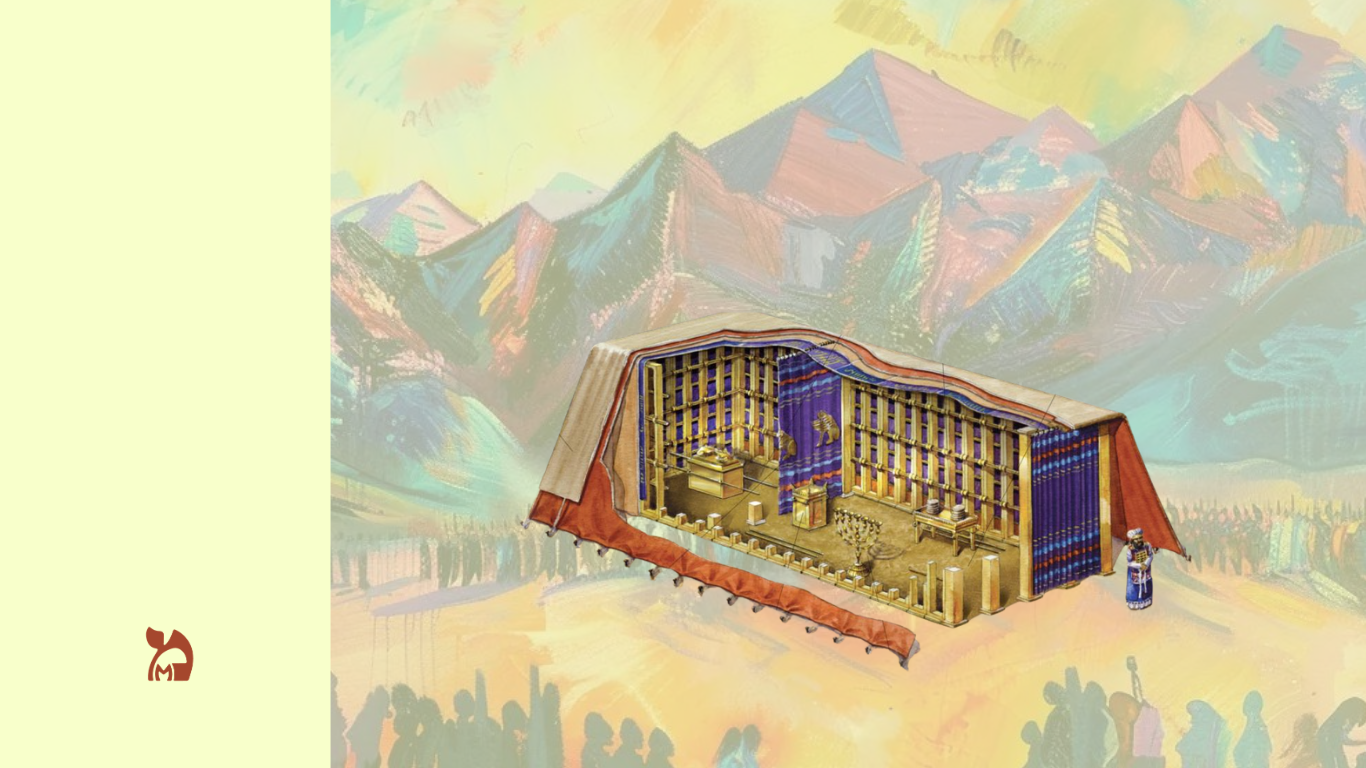
In this week’s Parasha, Teruma, every individual contributed something different to build the Mishkan: gold, silver, copper, and fabrics. No two offerings were identical, yet each was necessary. It is commanded: “You are to receive the contribution for Me from everyone whose heart prompts them to give.” (25:2) The Mishkan was not built by a single leader but through collective, detailed contributions. As Rabbi Jonathan Sacks z”l explains, “The best way of encountering God is to give.” Anything worth building requires intention, patience, and the willingness to step forward and offer something of yourself.
Likewise, a community does not build itself. It is built through daily routines, habits, and decisions that shape collective values. That is why communities exist: when individuals have people they can count on and people who count on them, this mutual responsibility gives them something worth waking up for.
Creating unity without forcing uniformity is challenging. Embracing everyone’s differences while working to establish shared goals requires commitment. Community building may not create immediate change, especially in communities that have existed and lived a certain way for years, but small moments can yield momentous results.
When people stop looking out for one another, when we care only for those within our echo chambers and live selfishly, society fails. In contrast, when individuals commit themselves to inclusivity, responsibility, and kindness, we are strong.
I was once told that when setting up chairs for a group, you should add an extra seat so that if anyone wants to join, they are immediately welcomed and know you belong. Developing a sense of belonging, no matter who you are or where you come from, is how you create community.
The Mishkan did not appear overnight. It was built piece by piece, consistently, effectively. The same is true of any meaningful group. It does not build itself, and it does not sustain itself through comfort or passivity. It survives because individuals choose to show up.
You must decide that your presence matters. The question is not whether the community will shape you. It will. The real question is whether you will step up and help shape it in return.
Play your part. Bring your piece. Build something that lasts.