During the formation of the Israeli state, Ben-Gurion was worried that the Orthodox population in the Yeshuv, the prestate Jewish entity, would be unwilling to join a fledgling state. Ben-Gurion knew that he could not afford to lose their support and so he sent a letter to their leadership. This letter is called the status quo agreement. In this agreement, Ben-Gurion ceded civil authority over religious observances to the rabbinical courts. During the mandate period and even during Ottoman rule, religious aspects of civil society – marriage, divorce, adoption and more – were handled by religious courts. Each person would appear before their religious authorities for them to administer civic authority. In his letter, Ben-Gurion agreed to give the ultra-orthodox control over these courts and four aspects of Israeli society: Kashrut, Education, Shabbat and Martial law.
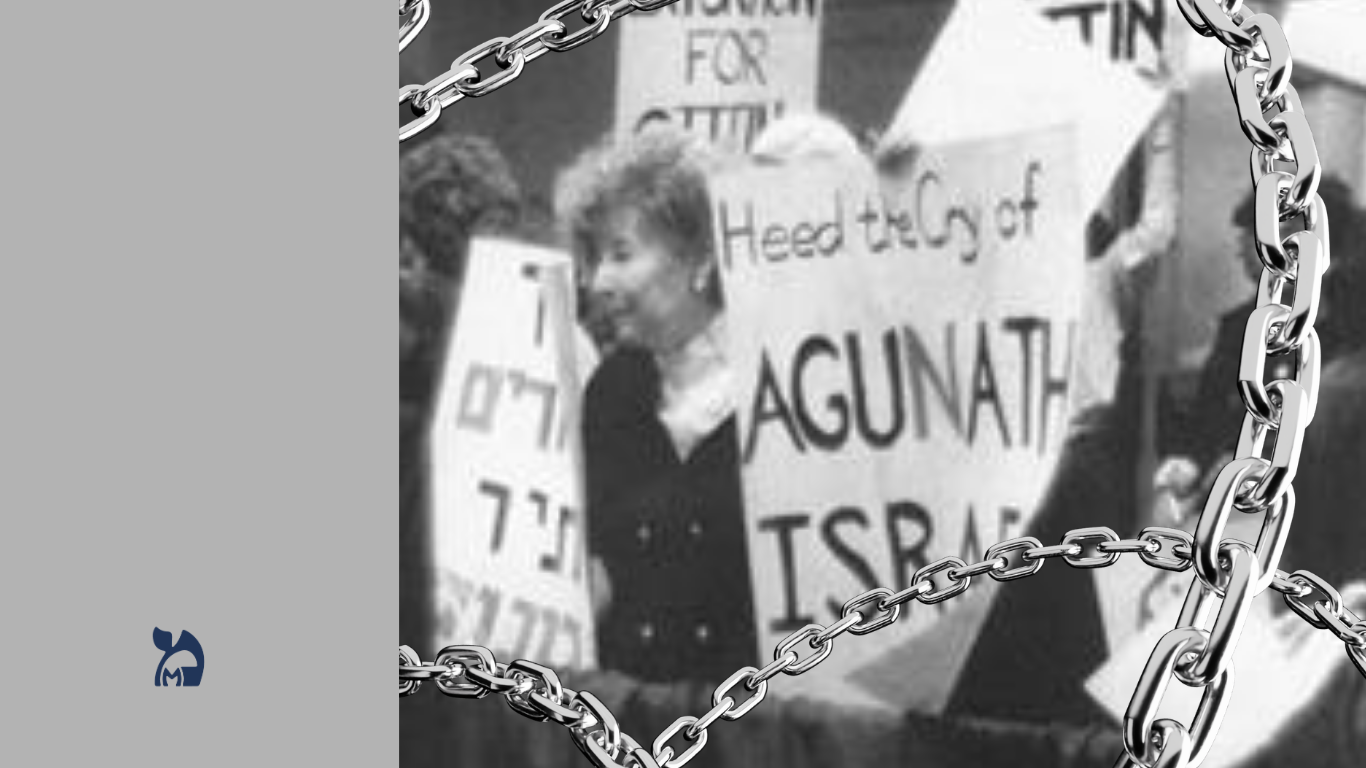
Within the realm of Jewish Marital law specifically, A get is a Jewish divorce document; in other words, the opposite of a ketubah. In orthodoxy, only men can initiate a get, and women who want to divorce their husbands need their husbands’ permission. Women who are trapped in marriages are referred to as Agunot, which translates to “bound women.” In the diaspora, this status has social consequences, such as losing the ability to remarry, any children they have are considered Mamzerim – a social and religious status for the children of halachically improper unions like adultery – and often experience social isolation. In Israel, the consequences can be far more dire.
Since Israel doesn’t have civil marriage, women seeking a divorce legally need their husbands permission. This practice is state sponsored spousal abuse. Women in agunah are unable to move on with their lives, buy or sell property, or make decisions about their children. Men refusing their ex-wives’ request for a divorce often do it to get more money in a final divorce agreement.. The rabinic courts have taken the side of husbands even when they are physically abusive or make absurd demands such as financial extortion or full child custody.
There are several solutions to this issue that could be implemented. Israel should create a civil authority for family courts — it already has an existing divorce court structure that handles other aspects of the divorce process. The authority of these courts should be expanded. Civil marriages should also allow gay and interfaith couples to get married within the country. Israel should also institute civil or criminal penalties for refusing to give a get. While this would make it harder for men to trap their ex-wives, it wouldn’t completely get rid of the process. This option also presents significant challenges in terms of political feasibility. Lastly, Israel should create a specially legal category that would allow women in aguanah to be divorced in all but name. This would allow them the full legal rights of divorce and maintain their autonomy and access social and legal services.
Ultimately, it falls on us, the members of the Jewish community, to treat each other with dignity and respect. Part of that onus is ensuring our community does not tolerate this type of behavior. But beyond not tolerating the behavior, we need to ensure that women have the right and the freedom to leave marriages and partners with whom they no longer wish to engage.