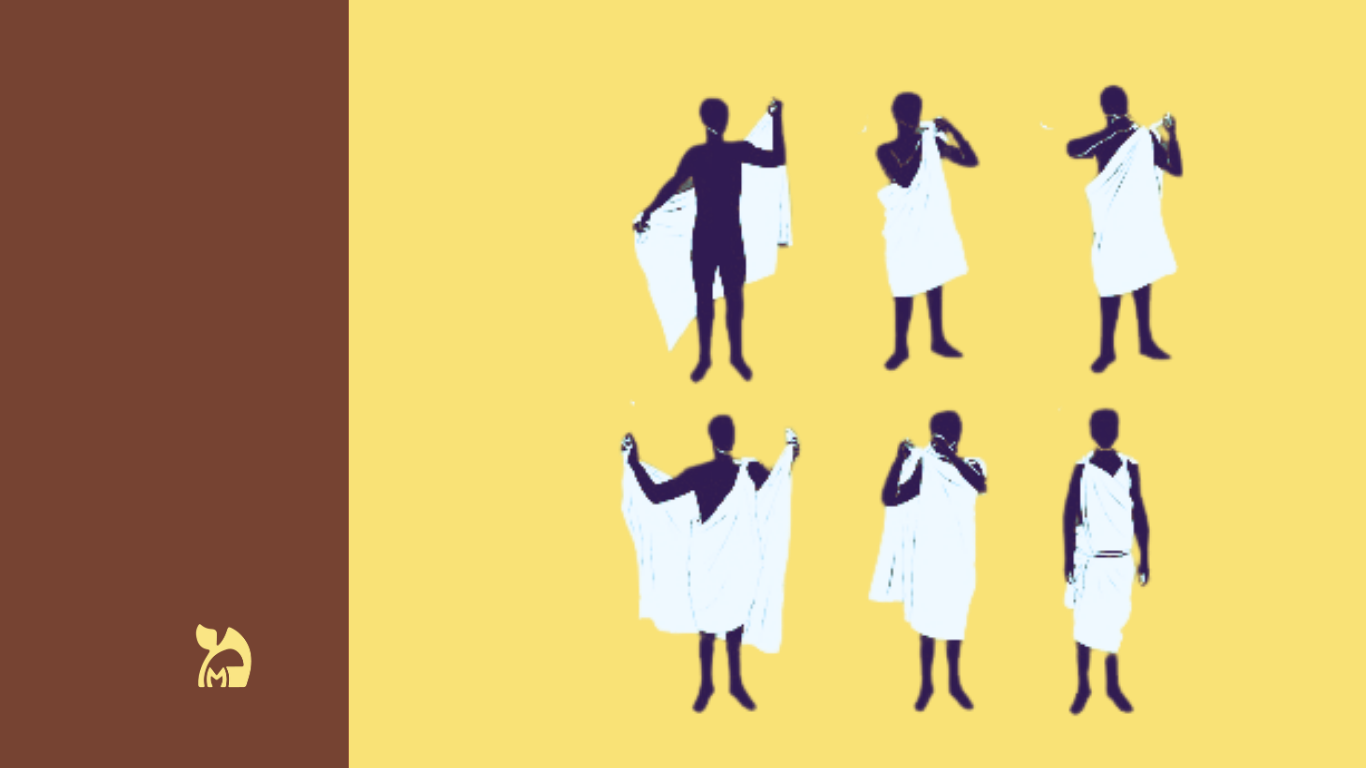
We do many unusual things at the Seder, one of them being reclining when we eat, as it says in Magid, “every other night some sit to eat and some recline, but tonight we are all reclining.” In the Gemara, in Masechet Pesachim, it is written, “We eat a kezayit of matzah when we recline.”
But why do we actually lean at the seder when we eat? Many say it’s to feel like kings or royalty, including in this idea, we also drink 4 cups of wine. However, haseivah, or reclining, is something the Rabbis instituted to remind us of our freedom. So, I would like to explore why we often intertwine wealth with freedom and try to distinguish the two. Additionally, I would like to explore how leaning at the seder can actually help us feel closer to our past, as the descendants of slaves.
Last year around this time, I learned that a lot of us think that wealth plays a role in why we lean at the seder. I have been taught for much of my life that reclining makes you feel like royalty. But then I asked myself, what does one necessarily have to do with the other? Yes, having money can free a person from financial burdens. It can provide an easier life with more
opportunities. After all, one of the first things God tells Moshe to tell Bnei Yisrael is to go and “borrow” money from the Egyptians before they get kicked out of Egypt. Money is definitely important! Today, however, we see more and more people being enslaved to their own wealth. Always trying to keep up with a trend, needing just to buy that one more thing, telling ourselves, “I’ll be satisfied after I get that.”
This can’t be what makes us free. In fact, the Mishnah in Masechet Pesachim speaks about the importance of including everyone in the mitzvah of haseivah, even the poor, stating, “Even the poorest person in Israel must not eat [on Passover night] until he reclines.” Clearly, the obligation cannot be all about wealth, and the goal of reclining can’t be to make one feel more wealthy, because if this is were indeed the case, what would be the purpose of someone who already knows they are rich to recline?
Furthermore, Rebbi Akiva states in Baba Kama, “Even the poor among the Jewish people, they are viewed as though they were freemen who lost their property…they are the children of Abraham, Isaac, and Jacob, and are all of prominent lineage.” This goes to show that everyone is considered free on the night of the Seder, regardless of their status.
In response to this idea, I would like to offer something I learned in my Rav Soloveitchik class last year in Seminary in preparation for Pesach. In his essay Festival of Freedom, Rav Soloveitchik discusses the peculiar personality type of a slave. He talks about their limitations and explains that one thing a slave can’t do is be a witness in court. Because a slave has a fear ingrained within them, a “phobia with no foundation in reality” as the Rav says, he can’t be a witness. He continues by discussing the idea of living in constant fear. He explains that it is a great curse to be afraid of everyone, even of people with no authority over you. If you don’t feel comfortable arguing or disagreeing with what someone says, you most definitely would not be able to testify against them in court.
Later, he then suggests that the reason for haseivah is actually to nullify that irrational fear, the constant state of obedience that a slave holds, and that its institution has nothing at all to do with wealth. He says that the sages introduced haseivah at the Seder as a symbol of freedom, in order to physically relax and relieve us.
Think of someone with excellent posture, or someone who stands up straight and tall; both these stances relay a visual cue of “readiness to obey.” Leaning to our side at the Seder expresses a sense of disobedience, a calmer, more chilled-out way of sitting. It shows our refusal to take orders from anyone but God.
This year, when we all recline at our Seders, instead of thinking of some rich king with great status, I encourage us to think about being physically freed from the shackles of slavery. Recognize that we shouldn’t have to feel constrained under the authority of man. Let us be free from the feeling of slavery, in order to all be free to be a servant to God.