Einav Tsach
It seems that the weeks since Oct. 7 have been a blur for Jewish students at this university.
“No matter what you’re doing, no matter where you are, a part of your mind is always somewhere else,” said Erez Keler, a sophomore studying computer science.
Over a month has passed since Hamas’s surprise attack on Israel, in which the terror group broke through the country’s southern border and massacred civilian populations. The unprecedented assault, which left over 1,400 people dead and 6,900 injured in Israel, sparked an ongoing war with Hamas.
The conflict has shocked the broader Jewish community.
“[During] the first week, I isolated myself a lot,” said Abigail Mor, a senior studying psychology and the president of UMD Mishelanu, the Israeli culture club on campus. “I was in shock, and I didn’t realize what I needed to cope with.”
Hamas holds 239 people hostage in Gaza, among them Hersh Goldberg-Polin, a California native. Benji Kaufman, a sophomore studying journalism, became friends with Goldberg-Polin after their families spent eight Passovers camping together.
“’It’s been hard because every day I’m always thinking about Hersh,” Kaufman said. “My parents and my sisters, we’re always texting each other about Hersh and we’re always seeing videos of Hersh’s parents.”
According to the Hamas-run Gaza Health Ministry, nearly 11,000 Gazans have been killed as part of Israel’s retaliation against the regime, drawing harsh criticism of Israel on college campuses nationwide. Criticism spilled over into blatant antisemitism when the words “Holocaust 2.0” were chalked on a Hornbake Plaza sidewalk during a Students for Justice in Palestine demonstration on Nov. 9.
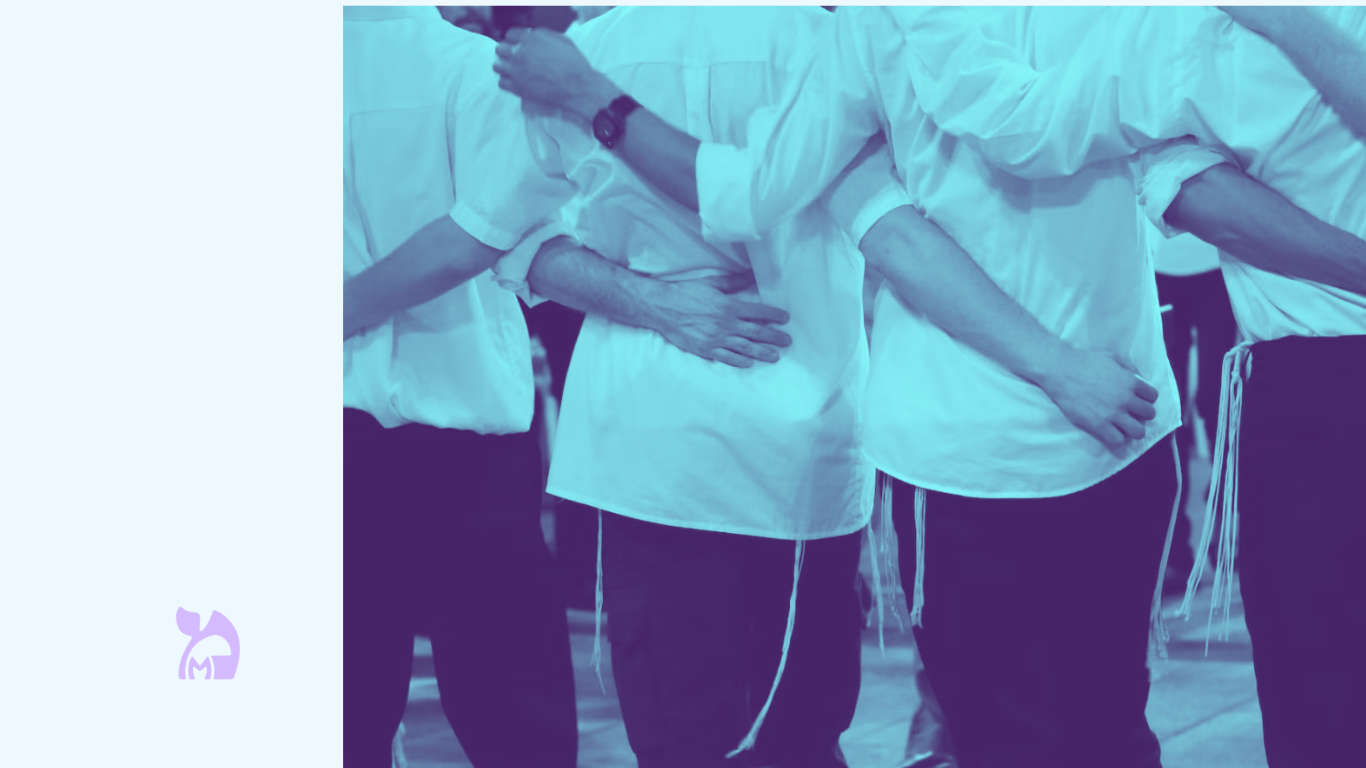
“It’s incredibly disheartening to see it happen here…Seeing that hurts,” Keler said. He added that he’s been inspired by the unity of the Jewish community at this university following the horrors of Oct. 7.
Emma Steinhause, a sophomore at this university and president of Terps for Israel, said she’s still stunned by how the Jewish community came together.
“The support I’ve seen from students to each other has been incredible,” she said. “We’ve just grown a lot stronger as a community because we have to protect ourselves a little bit more now.”
Adam Bershad, Maryland Hillel’s director of engagement and Israel experiences, said he finds optimism in the Jewish community’s resilience.
“’We’ve always been resilient. We’ve always made it through. We’re still here. We will still be here,” he said.