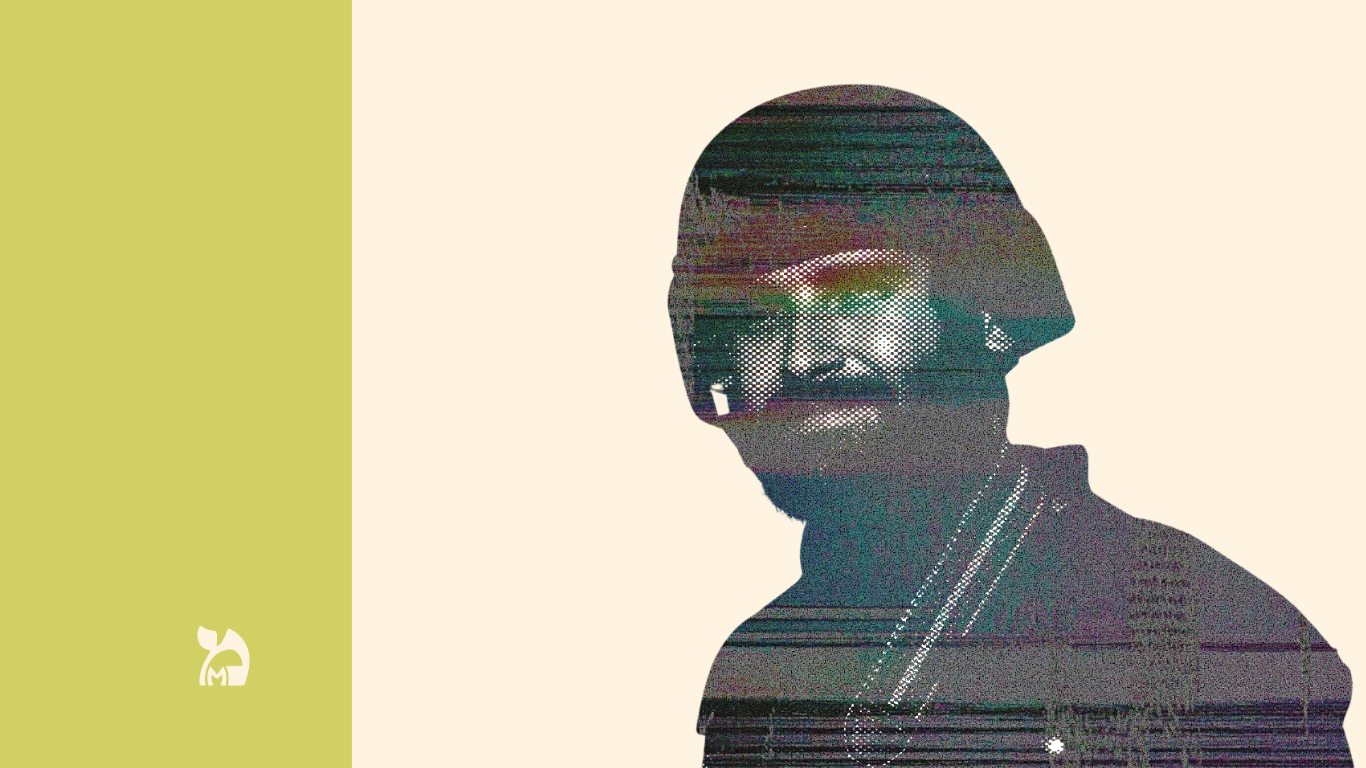
Isak Danon was a happy 6-year-old, but when Adolf Hitler’s regime took over Germany and began spreading across Europe, Danon knew he would eventually have to escape Yugoslavia if he wanted to keep his Jewish identity.
Danon, a 95-year-old Holocaust survivor, spoke to students and their families at this university’s Hillel on Friday afternoon during family weekend.
Danon grew up in Split, Croatia (formerly Yugoslavia) in a vibrant Jewish community. At 6 years old, he watched as Adolf Hitler took power in Germany and began spreading antisemitic ideology to crowded stadiums.
“Hitler had two objectives: take over Europe and then the world, and destroy the Jewish people. He almost succeeded in both of these objectives,” Danon said.
On April 6, 1941, Italian forces began dropping bombs over Split. 12-year-old Danon and his siblings recalled the terrors of Kristallnacht and knew they were in trouble.
Kristallnacht was a 1938 pogrom in Germany and Austria in which Nazi Germany burned over 1,400 synagogues and looted Jewish businesses.
“[Nazis] would come in their house, throw the people out, throw the furniture through the window and put the house on fire,” Danon said.
Shortly after Italian forces bombed Split, public spaces, including movie theaters, parks, beaches and public schools, began to ban Jews. Jewish employees in the government, hospitals and schools were fired.
Danon recalled one Friday afternoon when he was 13 years old. He was running late to Friday Shabbat services, and as he approached his synagogue, he heard yelling, which turned into screaming.
He witnessed Italians throwing people out of the synagogue, shoving them down the stairs and pushing harder if they were too slow. Danon was unsure if the Italians were civilians or part of the military.
The next day, Jewish homes were looted, and in the town square Danon witnessed Torah scrolls and Jewish books being made into a bonfire.
“That was the end of organized Jewish life in Split,” Danon said.
Danon and his father assumed that once Germany invaded Split, men would be taken first. They packed their bags ahead of time and practiced jumping out of the fire escape.
One Saturday night, their neighbor pounded on their door, yelling: “the Germans are coming!”
Danon’s mother and younger sisters hid with their milk lady, while he and his father headed toward the mountains to seek shelter with a group of partisans, underground resistance fighters who opposed the Nazis.
Danon’s older sister, only 16 years old, had already joined the resistance.
Their day-long journey into the mountains was perilous. Having heard that sharpshooters in German planes fired at any detected movement, Danon and his father took cover and stayed still.
Once they reached the partisans, Danon began working as a runner, delivering messages between their fighters. After a few days, the partisans gave the young recruit a new job: digging beneath German and Italian bunkers to deploy hand grenades.
Danon is still unsure if he was ever responsible for somebody’s death.
“I don’t want to have anybody’s blood on my hands. But then again, this was war,” he said.
When the partisans realized that 14-year-old Danon was too young for such a dangerous job, they assigned him to clean weapons.
Eventually, Danon and his father, who had been working for a chef in the resistance, were split up.
Danon’s next job was unloading British ships that brought supplies to aid the resistance. One day, Danon was sitting on a bench on one of the ships when it suddenly sailed off and brought him to Italy. Danon, a lost and confused teenager, ended up in an Italian displaced persons camp.
After four days in the camp, Danon was playing soccer in the street when his father approached him. Reunited, they decided to escape the camp together. Once out, they spent time earning money working various jobs.
A few months later, a British secret service agent informed Danon and his father that 1000 European refugees were being accepted into the United States, which had just entered the war but had not yet invaded Normandy. Having heard that his mother and younger sisters just arrived in Italy, Danon and his father enrolled their family. His older sister, unable to join, had been wounded in action twice and was in a military hospital.
The U.S. Congress decided that either Danon and his father or Danon’s mother and younger sisters could leave. Danon and his father put their female family members on a boat, and later found a convoy headed to the United States.
They sailed for 15 days to New York and reunited with their family. After negotiating with the government to let them stay in the country, the Danon’s eventually settled in Philadelphia.
Rabbi Ari Israel, the executive director of Maryland Hillel, closed with remarks about Danon’s lighthearted humor and joy, despite seeing horrors in the past and surviving through the continuous struggles of the Jewish people.
“It’s such a blessing to be in the company of an angel,” Israel said.