This week, we will be celebrating Lag BaOmer, the 33rd day of the counting of the Omer. We begin counting from the second day of Pesach and continue for 49 days until Shavuot. During this period, many have the custom to observe mourning practices, including refraining from celebrating weddings, haircuts, or shaving, and listening to music. The reason given for this custom is to mourn the students of Rabbi Akiva who died during this time after the destruction of the Second Temple. It is written in the Talmud that 12,000 pairs of his students died because they did not treat each other with respect. On the 33rd day of the Omer, these students stopped dying, and that is a large part of what we celebrate on Lag BaOmer.
Although it is certainly a good thing that his students stopped dying on that day, it may seem slightly counterintuitive to be celebrating when there were still 24,000 people who had already died. One way to understand this is by shifting perspectives to look at what happened following this tragedy. The Jewish people had lost nearly all of their scholars, and Torah study came dangerously close to disappearing completely. However, Rabbi Akiva and his remaining five students did not allow that to happen. They learned from the mistakes of those they had lost and rebuilt, maintaining and expanding Torah study and religious life. We mourn for the first 33 days of the Omer, but at this point, we choose to shift our focus to celebrating the continuity of Torah life in the face of tragedy.
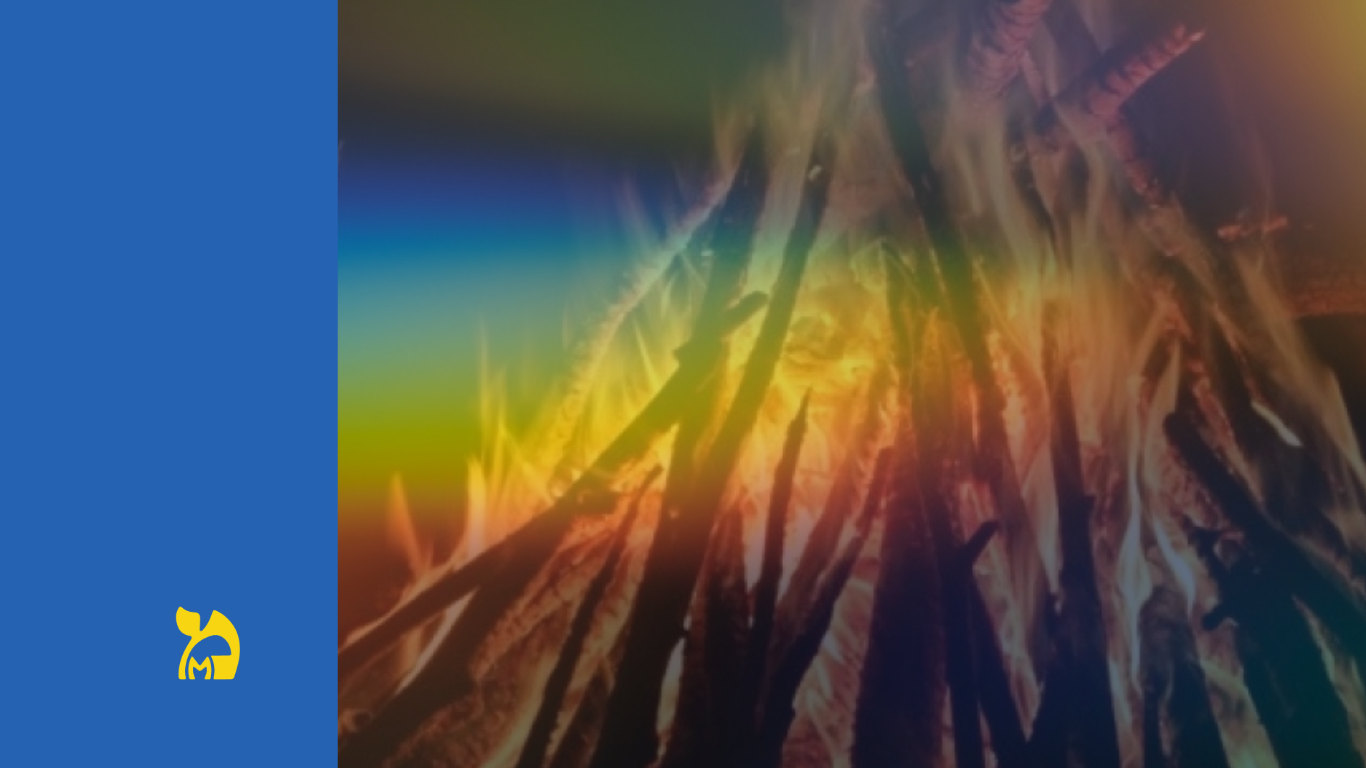
One of the five surviving students was Rabbi Shimon Bar Yochai. He remained devoted to Rabbi Akiva and Torah study throughout the Romans’ harsh decrees against Torah learning, even when forced into hiding for twelve years. Despite these challenges, Rabbi Shimon Bar Yochai taught countless students and passed on Rabbi Akiva’s teachings. He is said to have compiled the Zohar, a kabbalistic work that is often described as bringing spiritual light into the world. Rabbi Shimon Bar Yochai died on Lag BaOmer, and many commemorate his life by visiting his burial site and celebrating with bonfires and singing, symbolizing the light he brought into the world.
Looking more broadly, this period between Pesach and Shavuot was historically when the Jewish people were preparing to receive the Torah at Mount Sinai after being taken out of Egypt. Each year, as we prepare for Shavuot and count each day of the Omer, we try to channel that feeling of the original receiving of the Torah and connect with that process of preparation and growth. Lag BaOmer represents a turning point in that process as Shavuot approaches more imminently. We begin with mourning and reflection, recognizing our losses and shortcomings as a collective Jewish people. We then recognize that just as Rabbi Akiva refused to give up and instead rebuilt after devastation, we are meant to learn from tragedy, using it to move forward and grow rather than be defined by our losses.