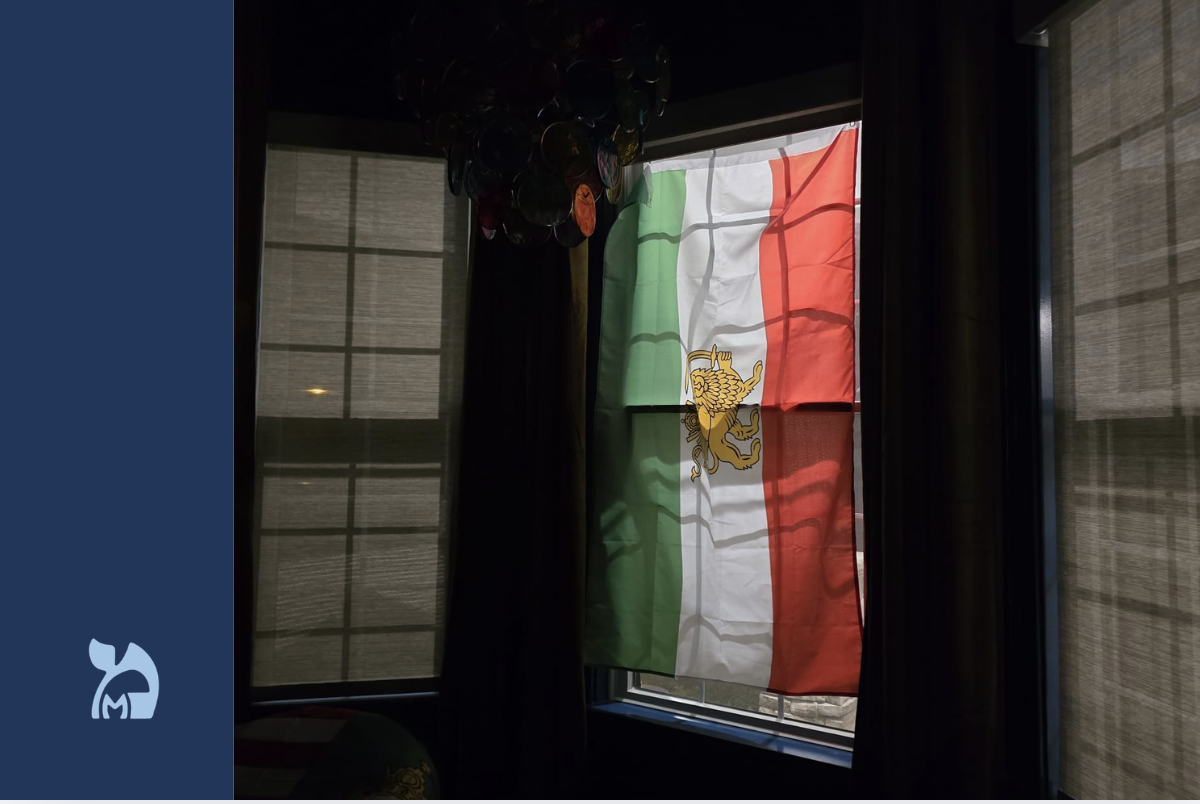
On Yom Ha’atzmaut, we celebrate the triumph of a nation that rose from the ashes of destruction and reclaimed independence in its ancestral homeland, finally giving the Jewish people a place to call home, free from persecution.
A few years ago, I had the profound opportunity to connect with my cousin Yardena, who has been living in Israel since 1947. Yardena is the daughter of one of my great-grandmother’s twelve siblings—nearly all of whom were victims of the Holocaust. As a young survivor, Yardena was among the earliest to journey to Israel, determined to rebuild a life after unimaginable loss. In the chaos of post-war Europe, my great-grandmother didn’t even know Yardena had survived until many years later. Hearing Yardena’s story of survival, resilience and rebuilding has deeply reshaped the way I understand and experience Yom Ha’atzmaut. Her experience is a testament to the endurance of our people and the importance of our homeland.
Yardena was born in the quiet town in Kosice, Slovakia, where she enjoyed the company of a large family. Even before the war, Yardena and her brother were heavily involved in the Bnei Akiva movement and had plans to move to Israel.
When the Germans invaded Hungary in 1944, Yardena’s world collapsed. Her family, like thousands of others, was rounded up and brought to a factory-turned-ghetto with massive sheds. From there, they were loaded onto trains bound for Auschwitz. As she stepped off the train, she came face to face with Mengele, the infamous Nazi dubbed “the angel of death” for his role in deciding who was sent to work and who to death at the Auschwitz gates. While Yardena was sent to work, her mother and sister were not as lucky. The two were separated from Yardena at the gate and this was the last time Yardena ever saw them.

Instead of going directly to the gas chambers, Yardena was selected for forced labor. She spent a year in a hidden ammunition and airplane factory where Jews and other prisoners were made to work. In those dark, freezing halls, surrounded by suffering and death, she somehow survived.
When the Russians finally liberated the camp, she emerged into a world of immense loss. Her parents were gone. Her sister was gone. Her brother, by some miracle, survived. He was one of the 1,500 Jews on the Kastner train that escaped to Switzerland.
After the war, the two siblings became madrichim, or counselors, in Bnei Akiva. After enduring years of torture and persecution, Yardena and her Brother’s dreams of making it to Israel came true when, in 1947, they boarded a boat full of fellow young survivors bound for Palestine.
After making aliyah, Yardena joined a youth program called Mikveh Yisrael, where days were split between study and labor. Yardena’s work in this program was instrumental in Israel’s ultimate victory in the war for independence. She worked tirelessly developing materials for the Israeli army. Yardena also developed her artistic talents and eventually became a blueprint drawer for the Israeli army.
Although there is so much to be proud of, one of the most inspiring aspects of Yardena’s story is her artwork. Over the years, Yardena began capturing her memories of the war through felt tapestries. In this way, she was able to process the harrowing experiences that she had while turning them into something beautiful to share with the world. Through her art, she tells the story not just of her survival, but of a people who refused to be erased. Her tapestries have been displayed at national memorials along with other artwork from survivors.

Yardena Zelefsky’s story truly captures the Jewish and Israeli spirit and the meaning of Yom Haatzmaut. We are a people who refuse to be erased. We are a people who are capable of taking our own suffering and turning it into something beautiful. This is what makes the transition of Yom Hazikaron to Yom Haatzmaut so quintessentially Jewish. It reminds us that the joy of independence is deeply rooted in the pain and perseverance of those who came before us.
People like Yardena –who emerged from the darkest chapters of history with not only a sense of survival, but also purpose –embody what this day is truly about. Her story—and the stories of countless others—are woven into the very fabric of the Israeli nation. They turned unimaginable suffering into strength, creativity and a homeland where the Jewish people can finally live freely.
As we celebrate, may we carry this deeper awareness with us: that our joy is sacred because it was born from sorrow, and that to honor our past is to live our future with intention, resilience and hope.