One of the most dramatic moments in the Torah appears in this week’s parsha. The Jewish people commit the sin of the Golden Calf. Moshe came down from Har Sinai, saw what was transpiring, and broke the tablets. It was a complete disaster. The people who had just stood at Sinai and heard God speaking were suddenly worshipping an idol.
But what happens next is just as important. Moshe doesn’t give up on the Jewish people. Instead, he went back up the mountain and argued with God on their behalf, refusing to give up on them. He fights for them. He asked God to forgive them and refused to abandon them. Eventually, God agreed to forgive the nation.
After this whole episode, Moshe asks God for something unusual. He asked to understand God’s glory and how He runs the world. God responds with a famous line: “…you will see My back; but My face must not be seen.”
Obviously, God does not literally have a face or a back, so what does that mean?
A common explanation is that Moshe was asking to understand how God runs the world, why things happen the way they do, and how divine justice works. God answered that a human being cannot fully see that in real time. We cannot see the “face” of God while events are happening. But we might be able to see the “back.” Sometimes we only understand things afterwards. Looking back, we start connecting the dots. Things that seemed random or confusing at the time begin to make more sense in hindsight.
This idea connects perfectly to the holiday of Purim, which we celebrated earlier this week.
Purim is one of the most interesting holidays in all of Judaism. One particularly noteworthy detail is that God’s name is not mentioned once in the entire Megillah. There are no obvious miracles like the splitting of the sea. At first glance, the entire story appears like a series of political events and coincidences.
A king threw a party. His queen was removed. Esther became queen. Mordechai overheard a plot to kill the king. One night, the king could not sleep. Everything just appears to be a series of normal events. However, when you step back and look at the full story, it becomes clear that nothing was really random. Every single event ended up as a part of the salvation of the Jewish people. The miracle of Purim is that it is hidden.
That is also why people wear costumes on Purim. The whole story is about things being hidden. God’s presence is hidden in the story, and the miracle only becomes clear when you look at everything together. In other words, Purim is the perfect example of seeing God “from behind.”
At the time of the story, nobody understood what was occurring. The Jewish people only saw a terrifying decree that they were going to be destroyed. But once the story was over, suddenly everything made sense. You can look back and see how the pieces were actually lining up the entire time.
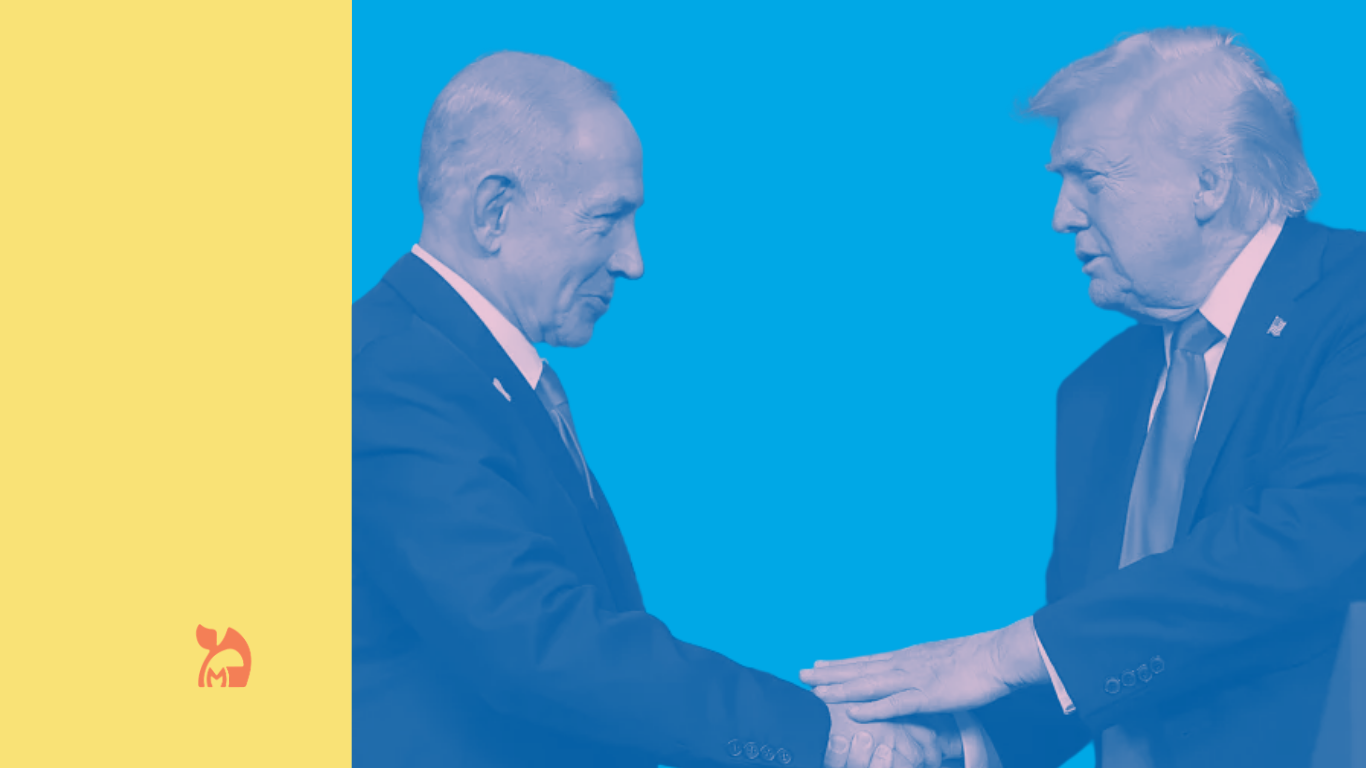
I think this idea is also very relevant to what we’re seeing in the world right now. This past week, there has been a lot going on involving Israel, Iran, and global politics. Leaders are making decisions, tensions are rising, and everyone is trying to predict what will happen next. It can feel chaotic and uncertain. Nonetheless, if Jewish history teaches us anything, it is that we rarely understand events while we’re living through them.
Moshe asked God to show him how the world works. God essentially told him that human beings do not get that perspective in the moment. We can only see part of the picture as history unfolds. Often, it is only later that things start to make sense. Jewish history has had countless moments like that. Situations that looked terrible at the time sometimes ended up leading to something completely different from what anyone expected.
The Purim story is a perfect example. Imagine being a Jew living in Persia when Haman’s decree was announced. You would probably think everything was over. There was no obvious miracle happening. Behind the scenes, things were already moving in a different direction. Esther was already in the palace. Mordechai had already saved the king’s life. The pieces were already in place. No one could see it yet. Only later do we realize that the entire story was moving toward a reversal.
The Megillah describes this moment with the phrase v’nahafoch hu, meaning everything flipped around. What looked like the end of the Jewish people turned into a holiday we celebrate every year. That’s what it means that Moshe could only see God “from behind.”
We do not always understand what is happening while events are unfolding. We see moments and fragments, but not the full picture. Only later do we begin to see how everything was connected. Purim reminds us that even when God’s presence is hidden, it does not mean He is absent. The story of Moshe teaches the same lesson. The meaning of events often becomes clear only once we look back. Sometimes the only way to see God’s plan is in hindsight.