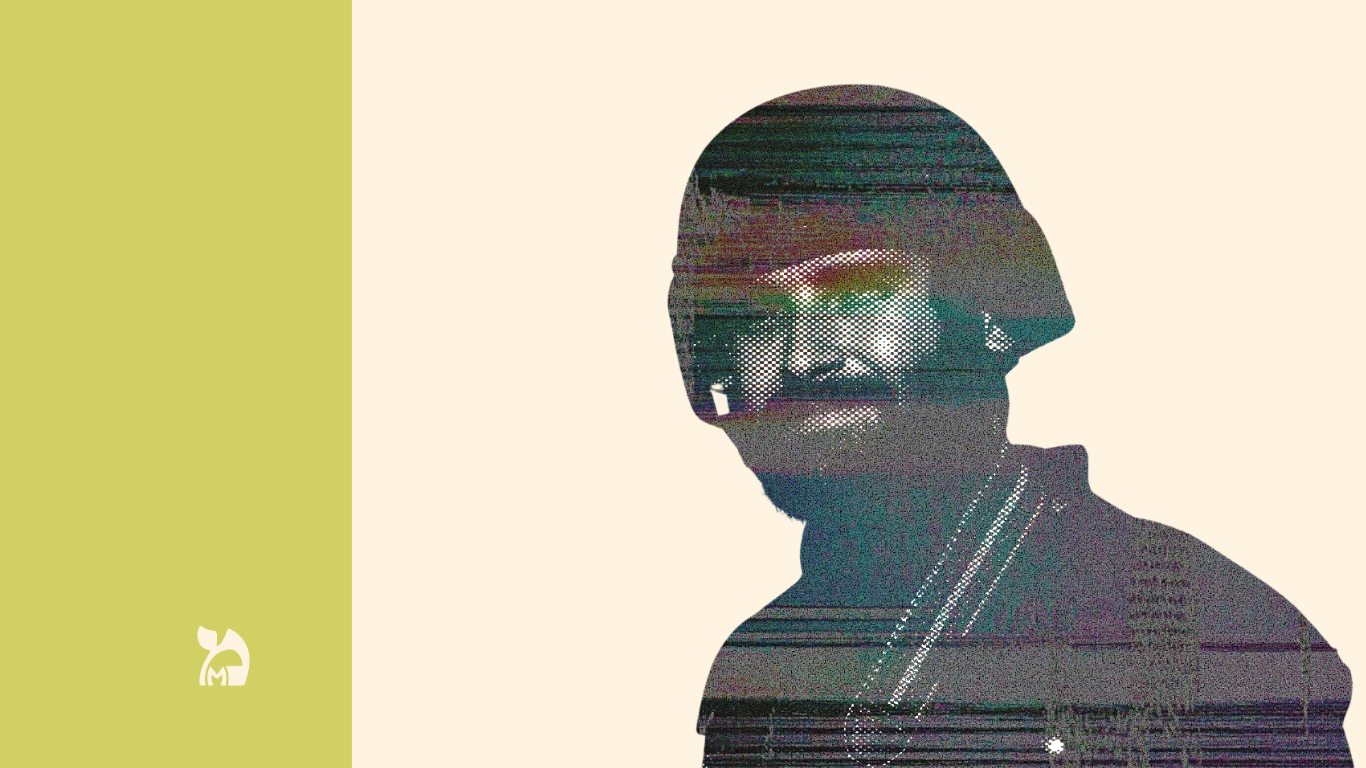
Motaz Azaiza, a photographer from Gaza admitted that he withheld photos of Gazans beating Israeli hostages. On an Arabic podcast, Taqarrib, he described following a vehicle carrying hostages being beaten and abused by both Hamas members and civilians. He refused to publish the subsequent footage that he took.
Azaiza, is a professional and award-winning photographer, well-known for many of the photos he took depicting Gaza during the Iron Swords War. Many of these photos have been described to depict the hardships of living in Gaza, and of Palestinians. He has won numerous accolades and awards, with one of his photos being included in the TIME’s top 10 photos of the year. He was awarded the “Communicator Award,” at the TRT World Citizen Awards, and the Freedom Prize from France.
Since the start of the war, he has relocated to Qatar, due in part to his criticism of Hamas leadership, when he stated that they were responsible for much of the suffering in Gaza. This criticism comes in part, due to Hamas’ censorship of journalism and photography within Gaza. His photos and videos of people in Gaza publicly criticizing Hamas, are among those that have been blocked to spread. Azaiza also stated that Hamas failed to protect the Gazan civilians with their weapons, and that Hamas’ goals during Oct. 7, were meaningless and did more harm than good.
Despite this, he also said he is a supporter of Palestinian armed resistance, but that it should have limits and serve a purpose. He has previously said that he got goosebumps on Oct. 7, upon listening to Hamas leaders and watching footage, and in a post from Oct. 7, he publicly praised the entry of Gazans and Hamas in Southern Israel. He has had numerous friends and associates within Hamas who have helped him use drones to film or set up positions and filming locations throughout Gaza. Most infamously, he has admitted that he refused to publish footage of hostages from Israel being beaten by residents of Gaza.
His reason for doing this was a fear of getting them in trouble, believing that if published, it would provide a catalyst for Israel’s actions and would reveal the identities of some of those within the photograph. In the interview he described how he felt that those within the photo could have been targeted by Israel and eliminated. He also said that he did not want to ruin the lives of the various civilians who were involved in the incident. Many have stated that this reveals his apathetic views regarding war crimes committed by Gazans against Israelis.
Since the interview, many have questioned the motives and ties of journalists within Gaza. They have been criticized for their ties to Hamas, and their praise of Oct. 7. However, it is worth noting that much of the footage obtained by journalists like Azaiza could not have been published under a grueling Hamas thumb. It raises the question as to how much of the war has truly been shared throughout the world, and what has not been revealed due to Hamas censorship or a willingness by the journalists and photographers themselves to hide the truth.