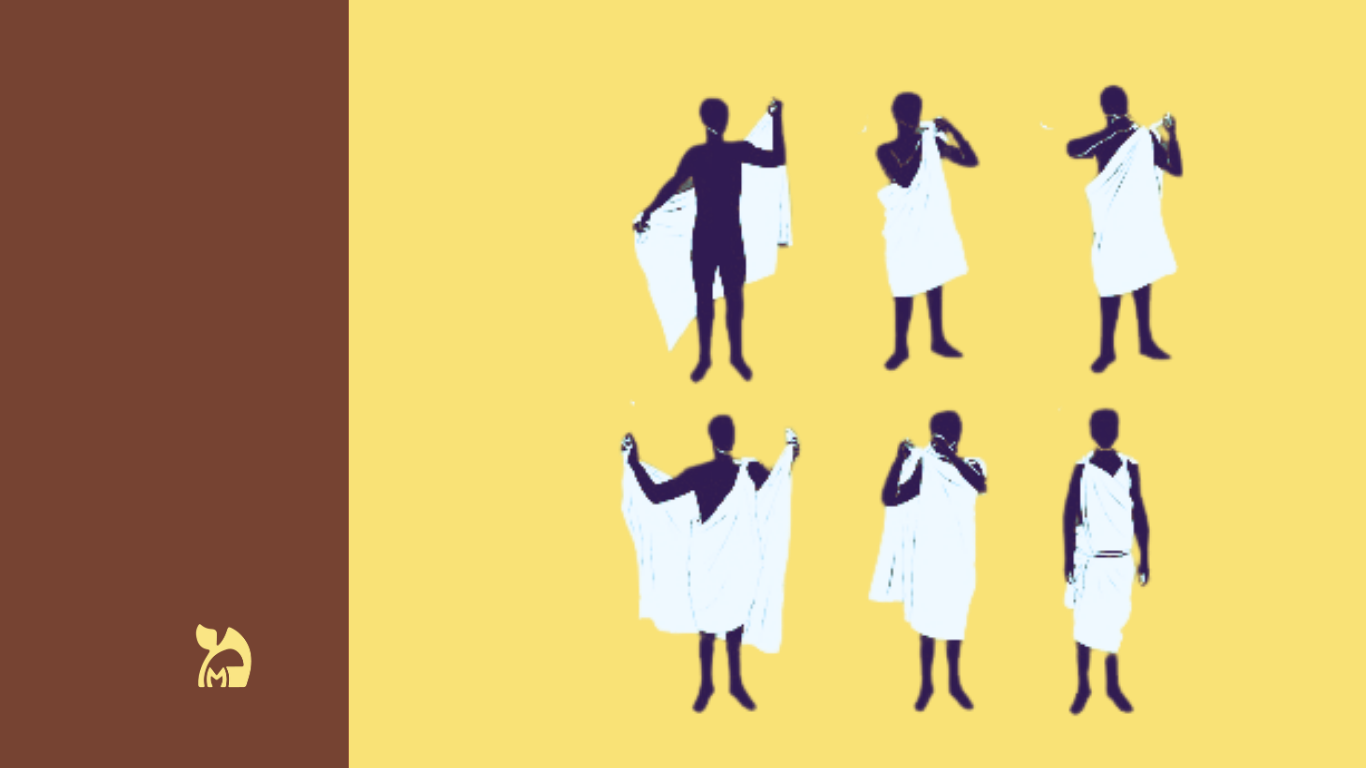
Everyday when he would serve in the Beit Hamikdash the Kohen Gadol would wear eight pieces of clothing: כתונת – Tunic, מכנסיים – Pants, מצנפת – Turban, אבנט – belt, חושן – Breastplate, אפוד – Ephod, מעיל – Robe, and the ציץ – Golden forehead plate. When recording what he would wear, however, the תורה only mentions six out of the eight:
וְאֵלֶּה הַבְּגָדִים אֲשֶׁר יַעֲשׂוּ חָשֶׁן וְאֵפוֹד וּמְעִיל וּכְתֹּנֶת תַּשְׁבֵּץ מִצְנֶפֶת וְאַבְנֵט וְעָשׂוּ בִגְדֵי־קֹדֶשׁ לְאַהֲרֹן אָחִיךָ וּלְבָנָיו לְכַהֲנוֹ־לִי:
(שמות כח:ד)
“These are the garments they are to make: a breastpiece, an ephod, a robe, a woven tunic, a turban and a sash. They are to make these sacred garments for your brother Aaron and his sons, so they may serve me as priests.” (Exodus 28:4)
The Torah does not make mention of the מכנסיים and the ציץ. What happened to them? For the ציץ, we have an easy answer: a golden forehead plate is not really a type of clothing. But what about the pants? Clearly, pants are clothing, so why aren’t they mentioned as one of the articles the Kohen Gadol would wear every day? To answer this question, I think we need to go back to this week’s Parsha – the first time the concept of clothing comes up. Before eating from the tree of knowledge, the Torah tells us that Adam and Eve walked around naked:
וַיִּהְיוּ שְׁנֵיהֶם עֲרוּמִּים הָאָדָם וְאִשְׁתּוֹ וְלֹא יִתְבּשֶׁשׁוּ:
(בראשית ב:כה)
“Adam and his wife were both naked, and they felt no shame.” (Genesis 2:25)
After eating from the tree of knowledge, though, Adam and Eve realize that they are naked and make for themselves clothing using fig leaves:
וַתִּפָּקַחְנָה עֵינֵי שְׁנֵיהֶם וַיַּדְעוּ כִּי עֵירֹמָּם הֵם וַיִּתְפְּרוּ עֲלֵה תְאֵנָה וַיַּעֲשׂוּ לָהֶם חֲגֹרֹת:
(בראשית ג:ז)
“Then the eyes of both of them were opened, and they realized they were naked; so they sewed fig leaves together and made coverings for themselves” (Genesis 3:7).
For whatever reason the clothing of Adam and Eve was not enough and Hashem Himself makes another set of clothing for them:
וַיַּעַשׂ יְהוָה אֱלֹהִים לְאָדָם וּלְאִשְׁתָּוֹ כָּתְנֹוֹת עֹוֹר וַיַּלְבִּשֵׁם
(בראשית ג:כא)
“ The Lord God made garments of skin for Adam and his wife and clothed them.” (Genesis 3:21)
It is understandable that before Adam and Eve ate from the tree of knowledge, Hashem did not make clothing for them – they had not yet realized that they were naked and therefore were not embarrassed to walk around without clothing. However, after they made clothing for themselves, why did Hashem need to make another set of clothing for them?
Based on the fact that there are two sets of clothing, we can infer that each serves a different purpose. Whatever Adam made for him and Eve was not sufficient to accomplish all of the goals that clothing needed to accomplish. So what might these goals be?
If we look back at the Parsha, we will see that Adam made his clothing for a very practical reason – he realized they were ערומים – he realized they were naked. He felt embarrassed and had to make clothing to cover himself up. Commenting on the clothing that Hashem made, Rabbeinu Bahya writes that Hashem made them לכבודם – distinguished. The point of the second set of clothing was not something practical; rather, the clothing that Hashem made had purpose. Before Hashem sent Adam and Eve outside of the Garden of Eden and into the “real world,” He wanted to give them something that would allow them to distinguish themselves.
With these two different goals of clothing – practical and to distinguish – we can explain why the pants were not on the original list of the clothing the Kohen Gadol would wear. Those six pieces of clothing had the goal of distinguishing him – that he is someone important doing an important job. The pants only served the practical part of clothing – to cover up nakedness.
And if we look later in Parsha Tetzaveh when the Torah talks about the pants, the Torah makes mention of the fact that the pants are just there to cover up the nakedness:
וַעֲשֵׂה לָהֶם מִכְנְסֵי־בָד לְכַסּוֹת בְּשָׂר עֶרְוָה מִמָּתְנַיִם וְעַד־יְרֵכַיִם יִהְיוּ:
(שמות כח:מב)
“Make linen undergarments as a covering for the body, reaching from the waist to the thigh.” (Exodus 28:42)
Since the pants only serve the goal of covering up nakedness, and not to distinguish the Kohen Gadol, they were not included in the first list.
Clothing is a part of our everyday life. Every day we make a conscious decision regarding what we are going to wear. This choice is one of the few ways that we get to physically and outwardly express ourselves to the entire world. Jews dress modestly and wear Kippahs and Tzitzit because we want to represent something and identify with a certain community – the Jewish community. Clothing can also go past the larger community of the Jewish people and help us express our own individuality and reinforce our own values. Someone who wears a -כיפה סרוגה – A srugi – is making a statement that he is proud to identify with certain values. So too with someone who wears black and white all day. For a girl, choosing clothes is something that is constantly spoken about. Pants vs. skirts – whatever it is, this week’s parsha goes to show that Hashem intentionally made it so that we have free will to distinguish ourselves, but we have to choose it. Hopefully we can move past just the first goal of clothing and allow our clothing לכבודינו – to distinguish ourselves.