In Parshat Chaye Sarah, Avraham sends his servant from Canaan back to Aram Nahara’im, where Avraham originated, to find a wife for his son, Yitzchak. As the medieval commentator Nissim ben Reuben Gerondi, or the Ran, suggests, Avraham asks his servant to return to his birthplace specifically, because he finds the women of Canaan to be morally corrupt (Derashot HaRan 5).
When the servant of Avraham arrives in Aram Nahara’im, he goes to the well but isn’t sure who or what to look for. As a result, he asks God for help:
וְהָיָ֣ה הַֽנַּעֲרָ֗ אֲשֶׁ֨ר אֹמַ֤ר אֵלֶ֙יהָ֙ הַטִּי־נָ֤א כַדֵּךְ֙ וְאֶשְׁתֶּ֔ה וְאָמְרָ֣ה שְׁתֵ֔ה וְגַם־גְּמַלֶּ֖יךָ אַשְׁקֶ֑ה אֹתָ֤הּ הֹכַ֙חְתָּ֙ לְעַבְדְּךָ֣ לְיִצְחָ֔ק וּבָ֣הּ אֵדַ֔ע כִּי־עָשִׂ֥יתָ חֶ֖סֶד עִם־אֲדֹנִֽי׃
“…let the maiden to whom I say, ‘Please, lower your jar that I may drink,’ and who replies, ‘Drink, and I will also water your camels’—let her be the one whom You have decreed for Your servant Isaac. Thereby shall I know that You have dealt graciously with my master. (Bereishit 24:14)
Essentially, the servant asks God for a sign: may whoever does not act in the way of the Canaanites, but rather does him the kindness of offering to water his camels, be the right woman for Yitzchak. He recognizes that this request isn’t in the realm of what he is owed by God, but it would be a chessed, or kindness, for God to grant it.
Fortunately for Avraham’s servant, God grants this request immediately with Rivka’s entrance onto the scene. When the servant asks Rivka for water, she says the magic words:
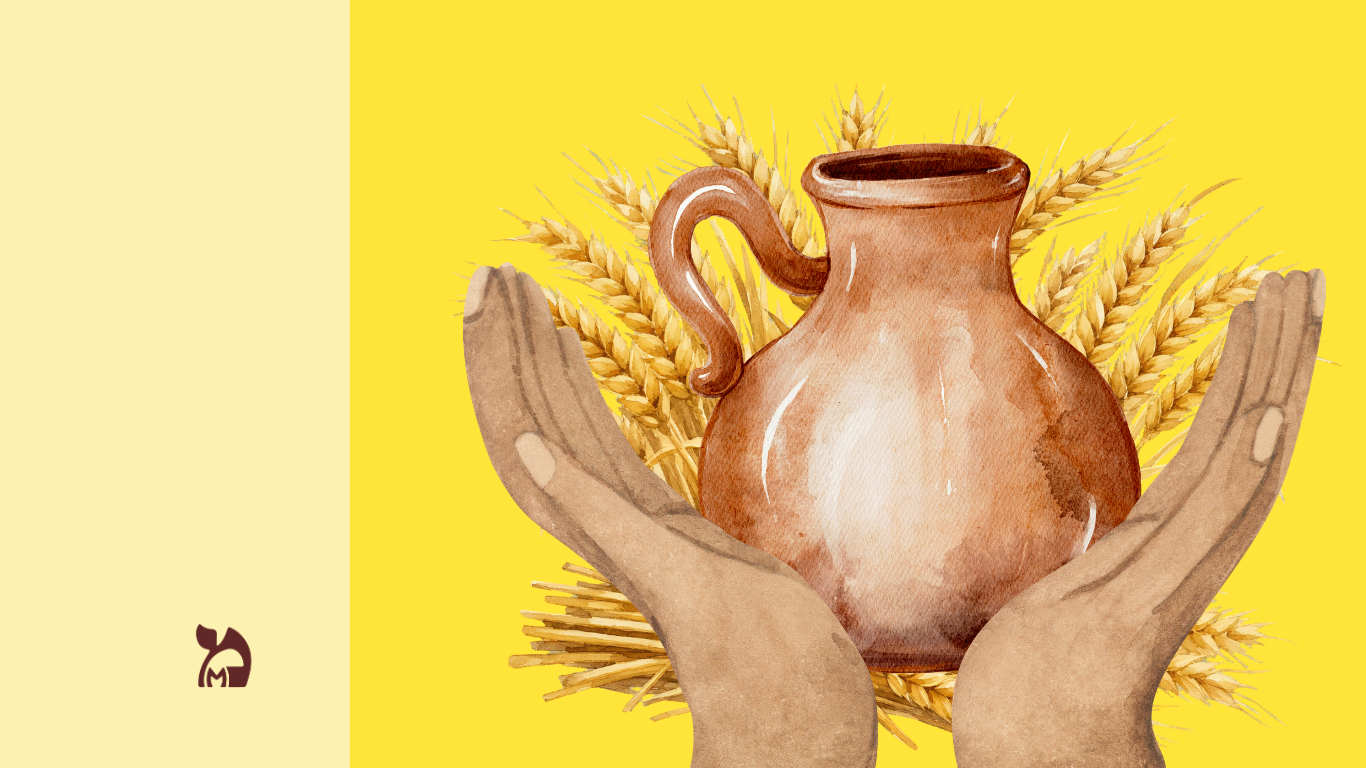
וַתֹּ֖אמֶר שְׁתֵ֣ה אֲדֹנִ֑י וַתְּמַהֵ֗ר וַתֹּ֧רֶד כַּדָּ֛הּ עַל־יָדָ֖הּ וַתַּשְׁקֵֽהוּ׃ וַתְּכַ֖ל לְהַשְׁקֹת֑וֹ וַתֹּ֗אמֶר גַּ֤ם לִגְמַלֶּ֙יךָ֙ אֶשְׁאָ֔ב עַ֥ד אִם־כִּלּ֖וּ לִשְׁתֹּֽת׃
“ ‘Drink, my lord,’ she said, and she quickly lowered her jar upon her hand and let him drink. When she had let him drink his fill, she said, ‘I will also draw for your camels, until they finish drinking.’ ” (Bereishit 24:18-19)
Afterwards, without knowing the identity or purpose of the servant, Rivka makes it known that she is a relative of Avraham’s. Knowing certainly that he has found the right woman to bring back for Yitzchak, the servant praises God:
וַיֹּ֗אמֶר בָּר֤וּךְ יְהֹוָה֙ אֱלֹהֵי֙ אֲדֹנִ֣י אַבְרָהָ֔ם אֲ֠שֶׁ֠ר לֹֽא־עָזַ֥ב חַסְדּ֛וֹ וַאֲמִתּ֖וֹ מֵעִ֣ם אֲדֹנִ֑י
“And he said, “Blessed be the ETERNAL, the God of my master Abraham, who has not withheld steadfast faithfulness from my master.” (Bereishit 24:27)
The interesting element of this story is how closely it is mirrored by another episode in Tanakh: that of Ruth’s entrance into the land of Israel. After Naomi lived in Moav for a number of years with her family, Ruth and Naomi are now the only ones left to return to Israel. Upon entering, they are completely impoverished, Naomi’s new life being a shell of the one it was before they left for Moav.
Naomi had tried to convince Ruth and Orpah, Ruth’s sister and Naomi’s other daughter in law, to leave after the death of Naomi’s sons:
וַתֹּ֤אמֶר נׇעֳמִי֙ לִשְׁתֵּ֣י כַלֹּתֶ֔יהָ לֵ֣כְנָה שֹּׁ֔בְנָה אִשָּׁ֖ה לְבֵ֣ית אִמָּ֑הּ יַ֣עַשׂ יְהֹוָ֤ה עִמָּכֶם֙ חֶ֔סֶד כַּאֲשֶׁ֧ר עֲשִׂיתֶ֛ם עִם־הַמֵּתִ֖ים וְעִמָּדִֽי׃
“But Naomi said to her two daughters-in-law, “Turn back, each of you to her mother’s house. May GOD deal kindly with you, as you have dealt with the dead and with me.” (Ruth 1:8)
But unlike Orphah, Ruth will not be deterred in accompanying the poor widow, Naomi. After their return to Israel, Ruth is sent to the fields to pick up scraps of barley left behind by the field hands. There she meets Boaz, the owner of the field and long lost relative of Naomi’s, who has heard about the kindness Ruth is doing for her mother in law. In response, Boaz gives Ruth tons of food to bring back for herself and Naomi. Upon returning to Naomi, Ruth mentions that Boaz had been the owner of the field where she’d collected the food, whom Naomi instantly recognizes, for which Naomi praises God:
וַתֹּ֨אמֶר נעֳמִ֜י לְכַלָּתָ֗הּ בָּר֥וּךְ הוּא֙ לַיהֹוָ֔ה אֲשֶׁר֙ לֹא־עָזַ֣ב חַסְדּ֔וֹ אֶת־הַחַיִּ֖ים וְאֶת־הַמֵּתִ֑ים וַתֹּ֧אמֶר לָ֣הּ נעֳמִ֗י קָר֥וֹב לָ֙נוּ֙ הָאִ֔ישׁ מִֽגֹּאֲלֵ֖נוּ הֽוּא׃
Naomi said to her daughter-in-law, “Blessed be he of GOD, who has not failed to show kindness to the living or to the dead! For,” Naomi explained to her daughter-in-law, “the man is related to us; he is one of our redeeming kinsmen. (Ruth 2:20)
In each story so far, an outsider appears on the scene, delivering some act of great kindness. For Rivka, this was watering the camels of her own volition (as well as going to the well to fetch water for her family); for Ruth, this was accompanying Naomi back to the land of Israel. After each of Ruth and Rivka’s acts of kindness, it becomes apparent that a stranger had really been a long lost family member: Rivka is really Avraham’s grand-niece, and Boaz is really Naomi’s late husband’s nephew. Following this reveal and gesture of kindness, the observer in each story feels compelled to praise God, specifically for the kindnesses that He has done for the observer, using almost identical language.
In these stories, Ruth and Rivka seemingly have no ulterior motives. The old widow that Ruth accompanies has nothing to offer her, and even says so explicitly. Rivka acts for the sake of her family and for an apparent stranger, with no clear reward for her efforts.
These outsiders, from a land far outside the Israel and Canaan we’re familiar with, could not contrast more with the perception we have of the aforementioned Canaanite women. We might have expected that Avraham would choose a wife for his son from those among whom he lived, or that Boaz would marry a woman from a more established lineage than the convert Ruth. It is exactly this point that is being flipped on its head: the ones who will bring about the future of the Jewish people – Ruth through her great grandson King David, and Rivka through Yaakov and his children – will not be determined by their circumstances or birth, but by their relationships with others.