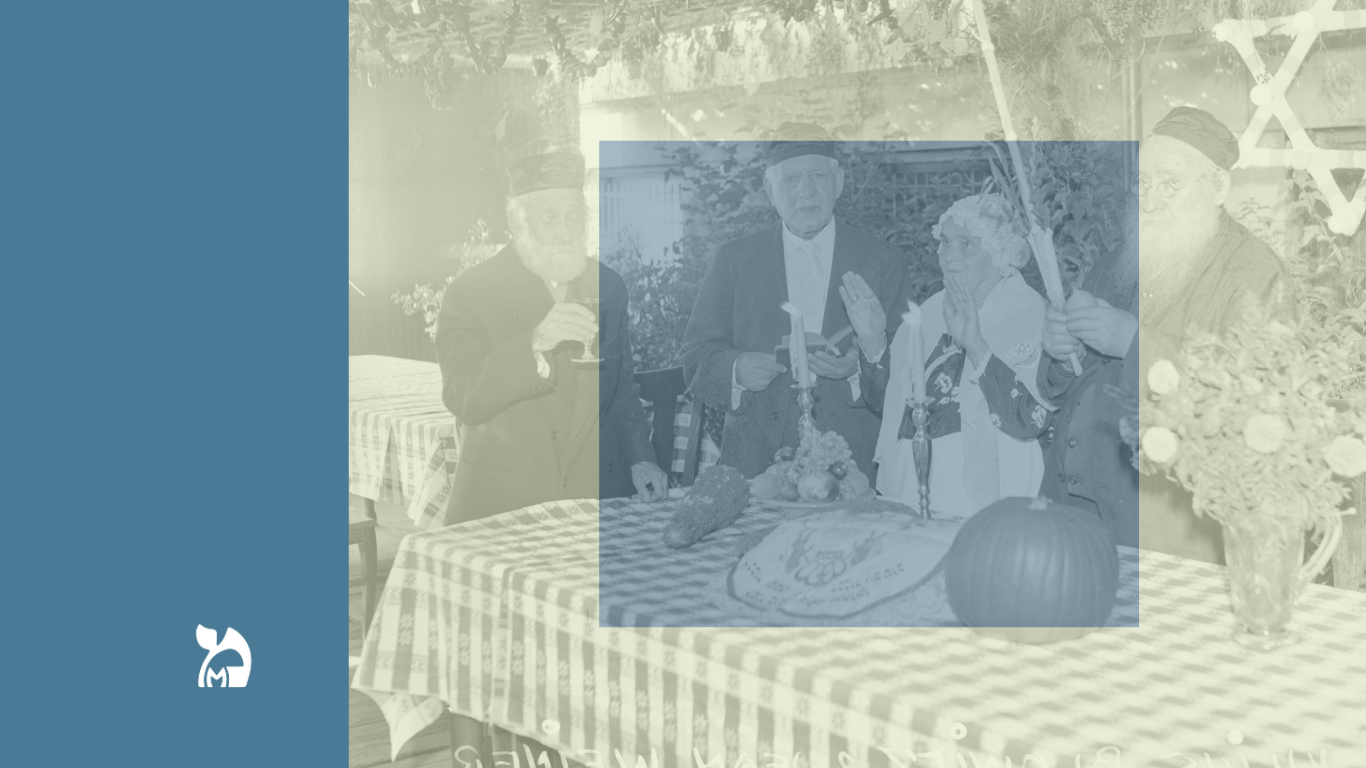
I love Sukkot. It is my favorite holiday, and I can’t get enough. I love building sukkahs. I grew up helping my father tie the tarp that created the walls of our sukkah down, and I was incredibly grateful when my kneeling surface switched from sharp rocks to pavers post-backyard glow-up. I love sukkot food. While there isn’t a latke, round challah, or matzah equivalent halachic food requirement, my mom loves the theme. Each year, as we sit beneath bamboo and stars, plates and plates of stuffed and autumn-themed foods danced out from the kitchen. I love Kohelet, the Megillah that is read on the Shabbat that falls during Sukkot. This will probably be more controversial than the prior two; however, the almost absurdist philosophical nature of the text has captured my affection. The thing I love most about Sukkot is the yearly reminder of the sheltered life I am lucky enough to live. For my entire life, all I have known is a roof over my head and a full belly, yet that experience is sadly not universal.
For one week every year, some of the most zealous and thrill-seeking members of our community sleep outside in temporary structures. They choose to sleep in the sukkah out of religious conviction, or at least adherence to religious ideas, in addition to the fun of sleeping outdoors. Air mattresses, sleeping bags, down comforters, million thread count sheets, and silk pajamas make their way into the ersatz primitive farming huts to protect God’s chosen people from God’s chosen weather. There are some, however, whose nights sleeping outside do not end on Shemini Atzeret: Whose sukkot are cardboard creations, tents, cars, and doorways: Whose meals do not arrive at the table steaming, stuffed, or sukkot-themed. For the nearly three-quarters of a million Americans experiencing homelessness, the spectacle of sukkot presents an eerie funhouse mirror into their everyday lives. Hashem has given us the obligation to sleep outside; society has placed the same burden on its most marginalized.
We are commanded on Sukkot every year to open our hearts and homes to the Ushpizin. Ushpizin is Aramaic for guests and, in the context of sukkot, refers to the seven individuals that are meant to metaphorically visit each of our Sukkahs. One for each night. Much like opening the door to all those who are hungry on Pesach, this ritualization of a command to help the less fortunate has left those on the street out in the cold once again. The poor and the stranger have been kept out of celebration. We have fenced in the corners of our fields and swallowed up our glennings. We have erected tolls at the door to the synagogue as membership cleaves those who can afford to worship and those who cannot. When our Shteltels moved with us to the big cities, only those with the means to do so could remain. If you lack nice shoes, clean slacks/dress, a shower, means of transportation, ability to afford a place near the shul, or even just a free Friday night and Saturday morning, what place is left for you in the synagogue pew or at the sukkah table?
As you gather beneath the s’chach for the last time this year, take a moment to think about the ways in which we can bring those experiencing poverty and homelessness into our communities.